

This online teacher training course helps you teach phonics to young learners using practical strategies arranged into simple steps —ideal for teachers of children in Japan with fewer chances to study and only basic reading and writing skills. The course is delivered through bite‑sized modules with video demonstrations and helpful classroom‑management tips. Perfect for beginners or teachers refreshing their phonics skills.
Why Phonics Matters for Your Classroom
Phonics is a powerful tool for helping young learners succeed in English—especially those with limited exposure to the language or whose native language uses a different writing system.
- ・Read independently without memorizing every word. They learn to connect sounds to letters and blend them into words, enabling them to decode unfamiliar vocabulary confidently.
- ・Master English sounds systematically, including those not found in their native language.This builds accurate pronunciation and listening skills, helping students sound more natural.
When phonics is taught in a fun, interactive, and structured way, it transforms your classroom.
Students become active participants, motivated by their ability to read and understand English on their own.
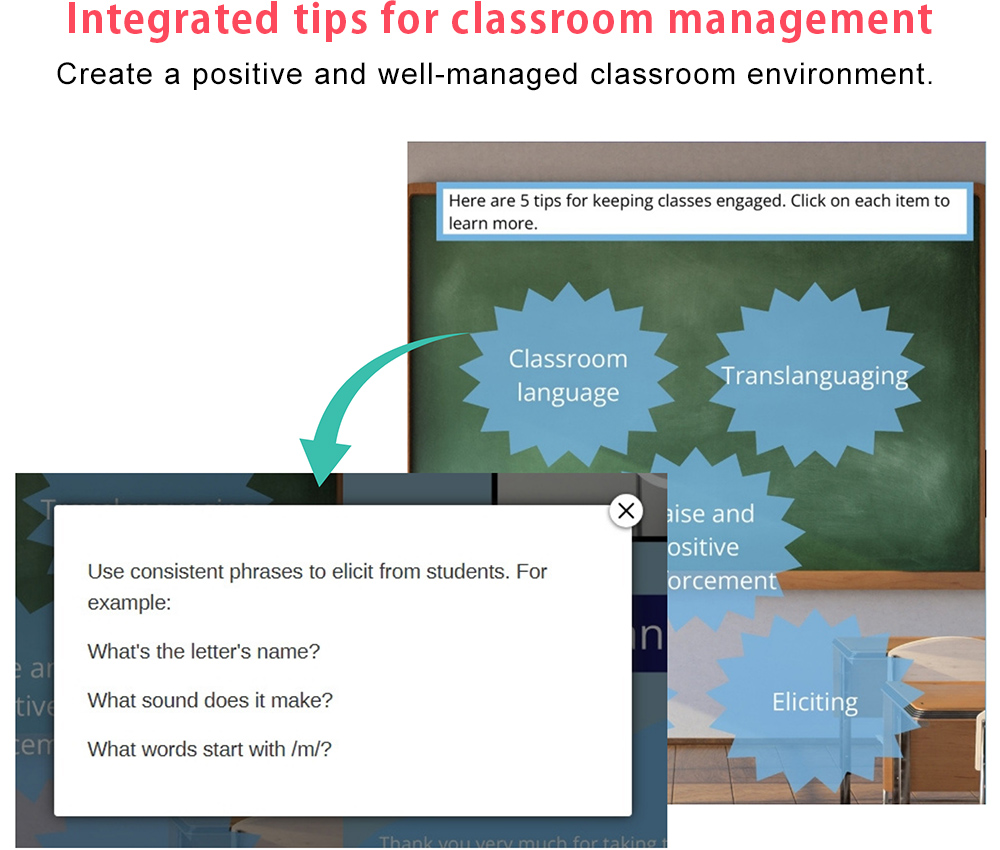
These modules provide clear, step-by-step guidance so you can introduce phonics effectively and keep learners engaged. With the right approach, you’ll see faster progress, stronger confidence, and a more positive learning environment.
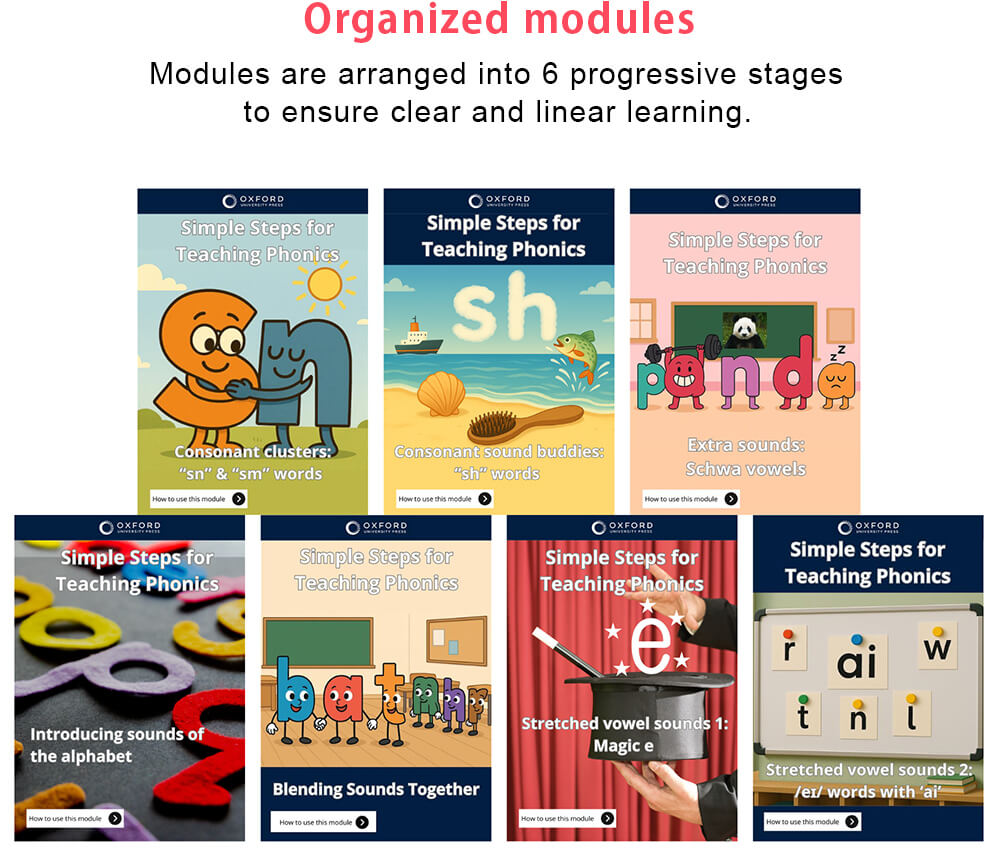
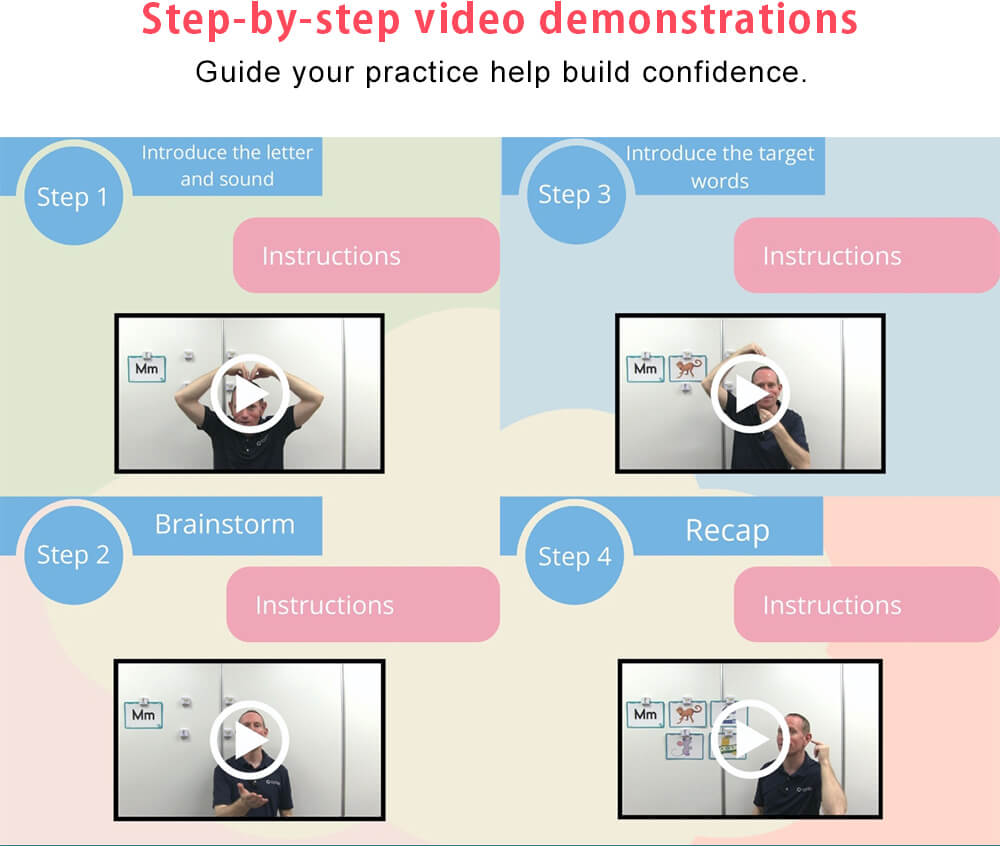
Introducing sounds of the alphabet
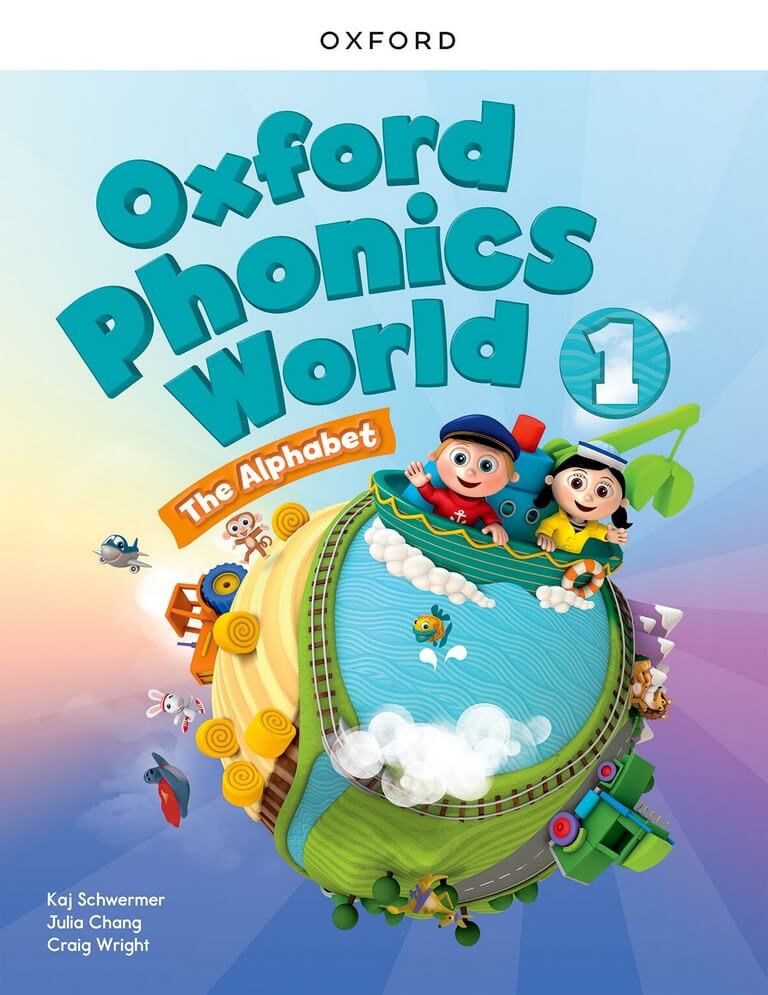
Learn a clear 4-step process for introducing any letter of the alphabet, the name of the letter, and the letter’s basic sound.
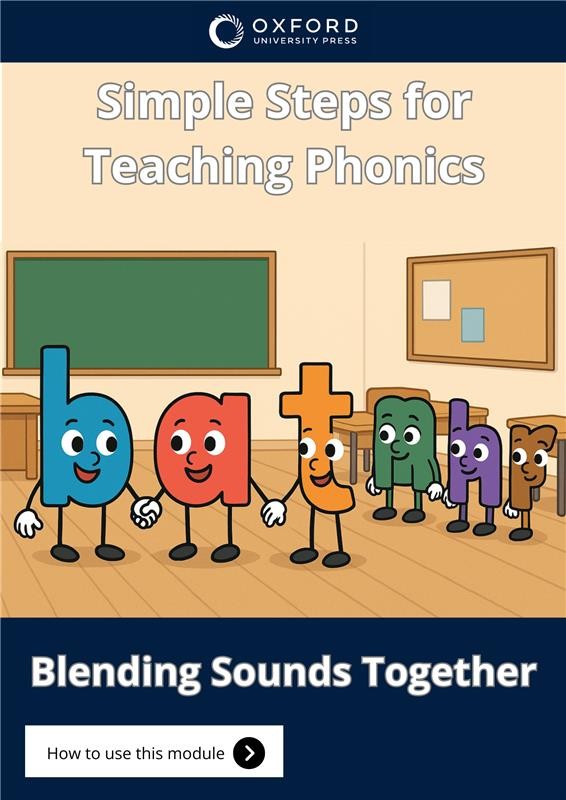
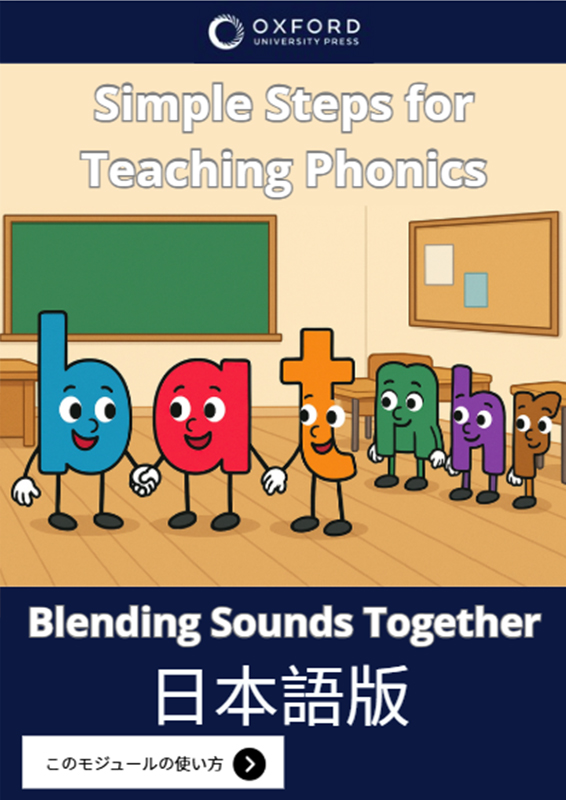
Blending sounds together
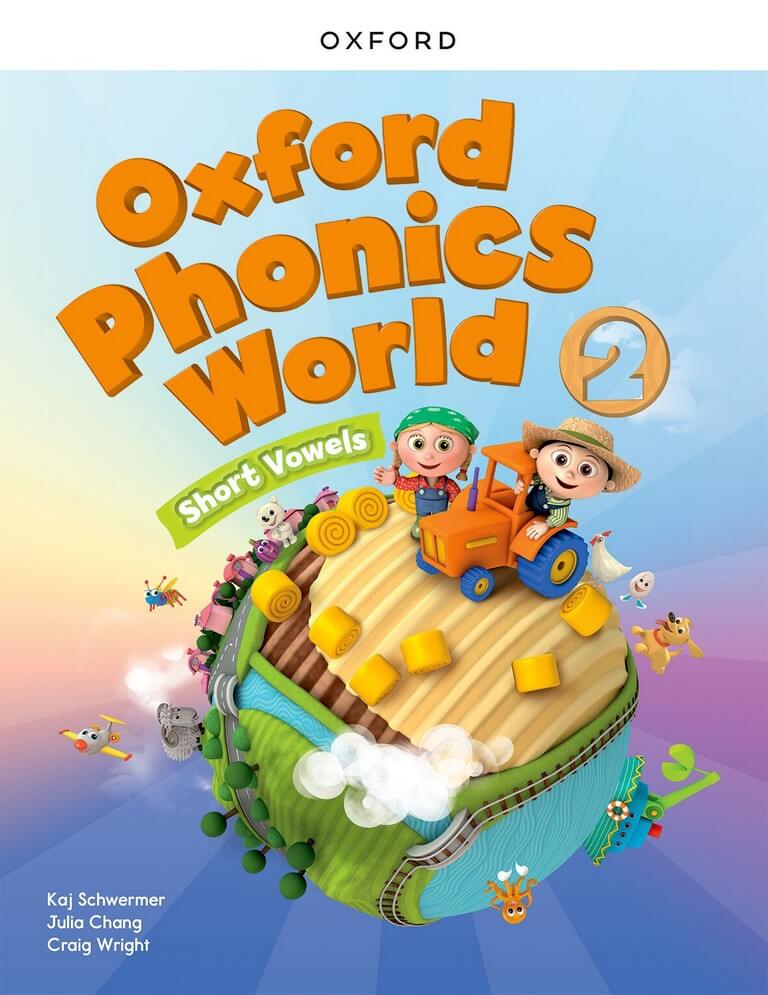
Learn how to help students start blending c-v-c (consonant-vowel-consonant) words, with practical tips to keep lessons interactive and enjoyable.
Introduction stretched vowel sounds: magic e
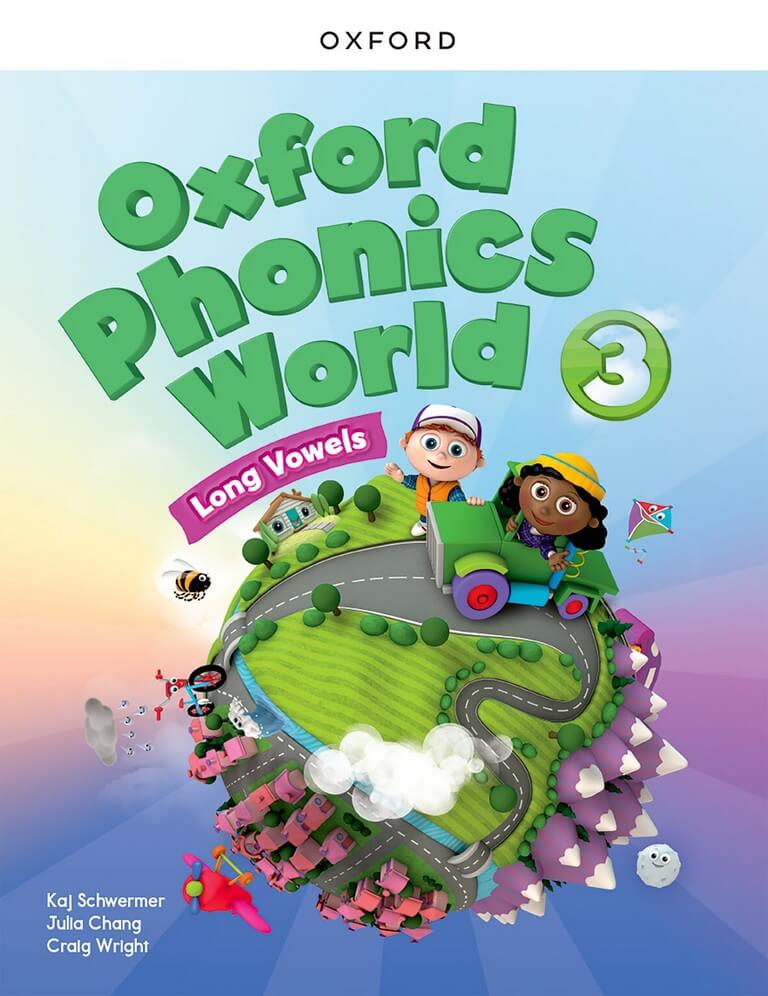
Build on students’ knowledge of blending c-v-c (consonant-vowel-consonant) words and introduce the concept of stretched vowel sounds with the ‘magic e’.
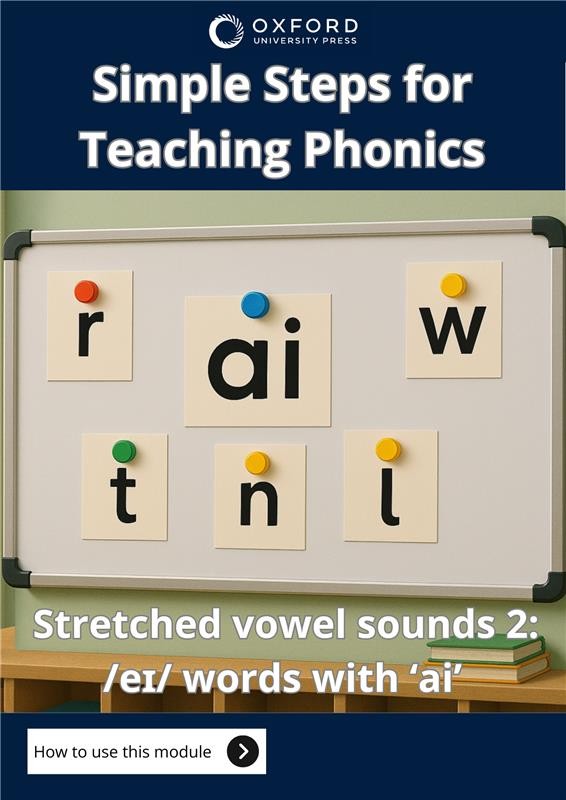
Introducing stretched vowel sounds: /eɪ/ words
Develop students’ knowledge of stretched vowel sounds and introduce a new vowel combination (‘ai’) to represent the /eɪ/ sound.
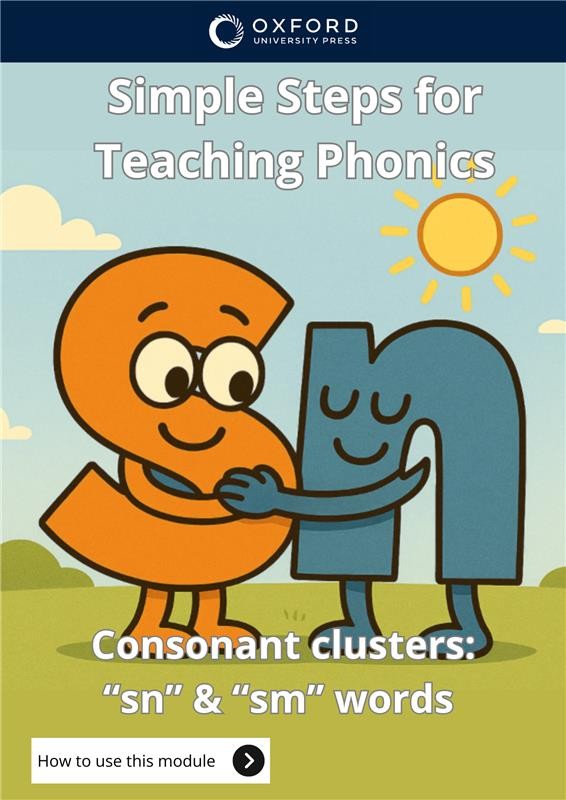
Introducing consonant clusters
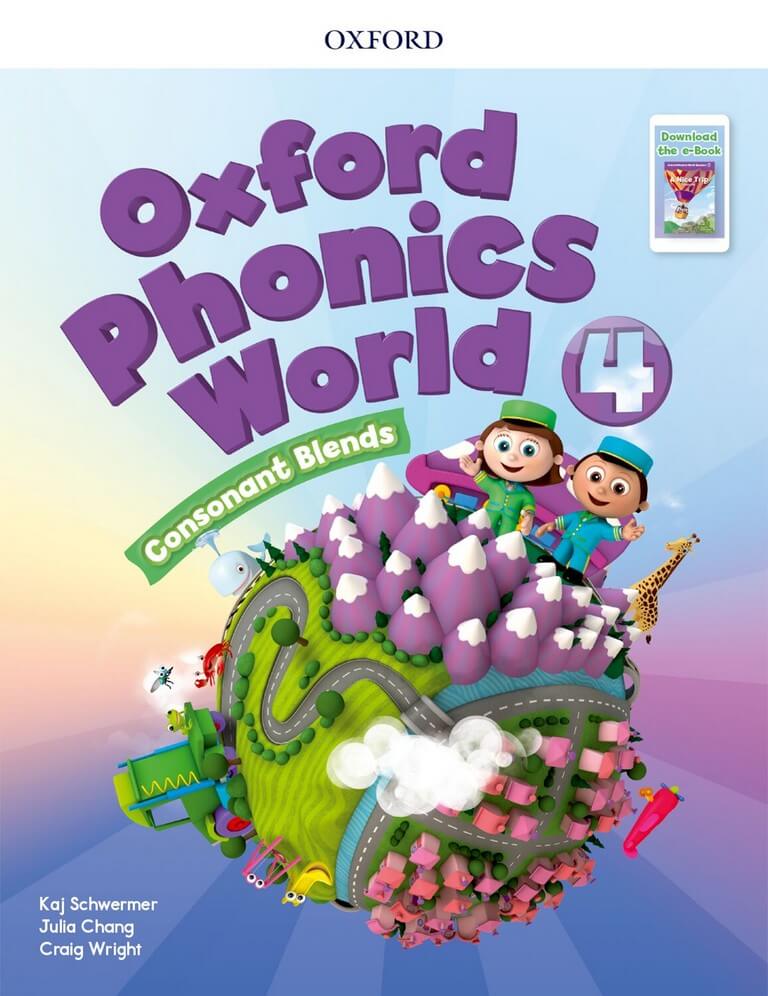
Students are now ready to tackle words with 2 or 3 consonants in a row. How can we help children produce these sounds naturally, especially when they are not found in their first language?
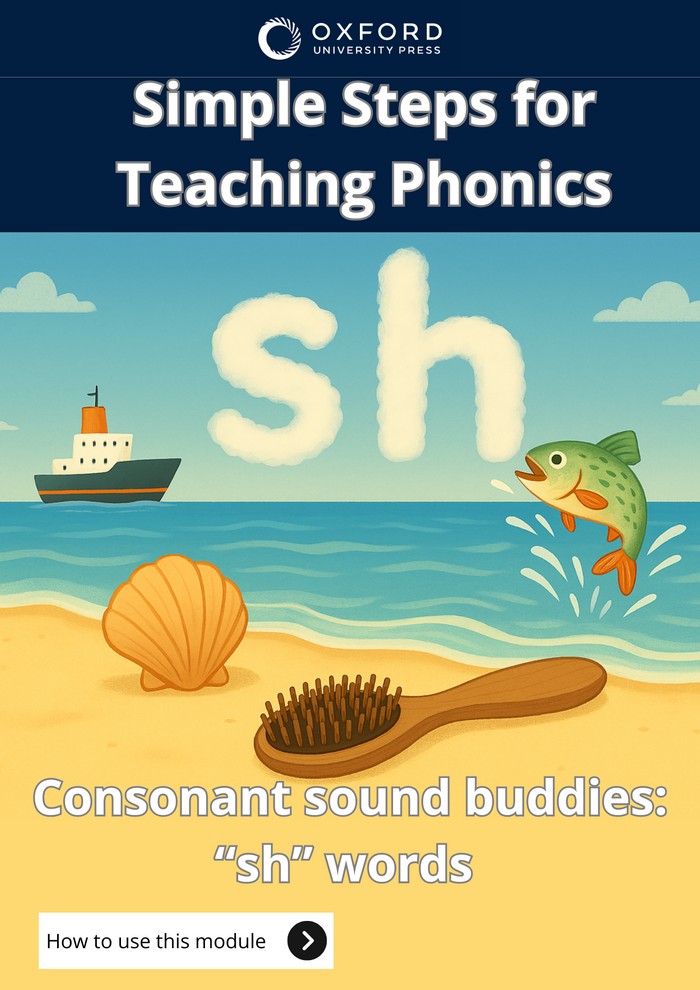
Introducing consonant sound buddies
Now it's time to tackle consonant digraphs and trigraphs (single sounds represented by 2 or 3 consonants) and combine them with the sounds mastered earlier—building stronger decoding skills and boosting reading confidence.
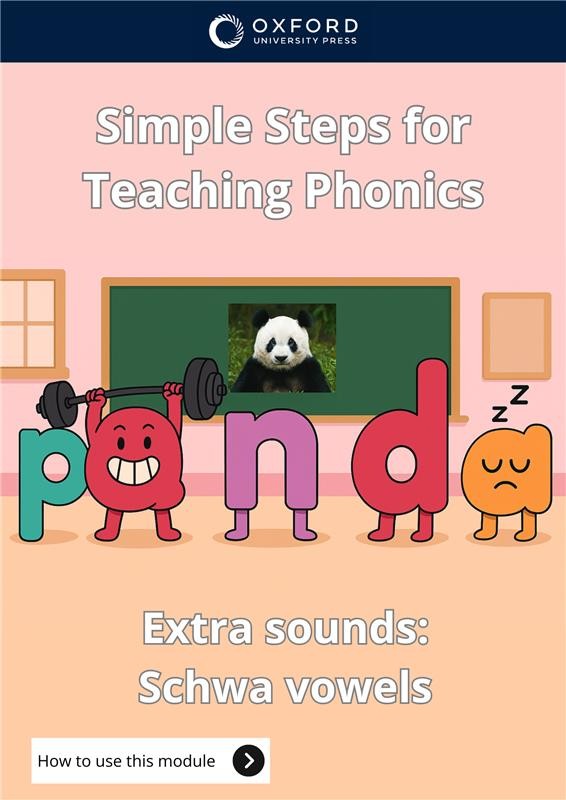
Introducing shwa sounds
Learn practical strategies to help students recognize, read, and produce weak vowel sounds.
1,800 yen (before tax) per module.
Buy 5 or more and get a 20% discount.
After your purchase, you will receive an email within 3-5 working days with a link to access your modules.Teachers will receive both English and Japanese versions of all modules purchased.If you are a first-time user, please create a unique password with Pagetiger.
*An email address is required for each user to log-in to the course. For multi purchases of the same module, we will send a follow‑up message requesting the email addresses of all users to ensure they receive access to the appropriate modules.
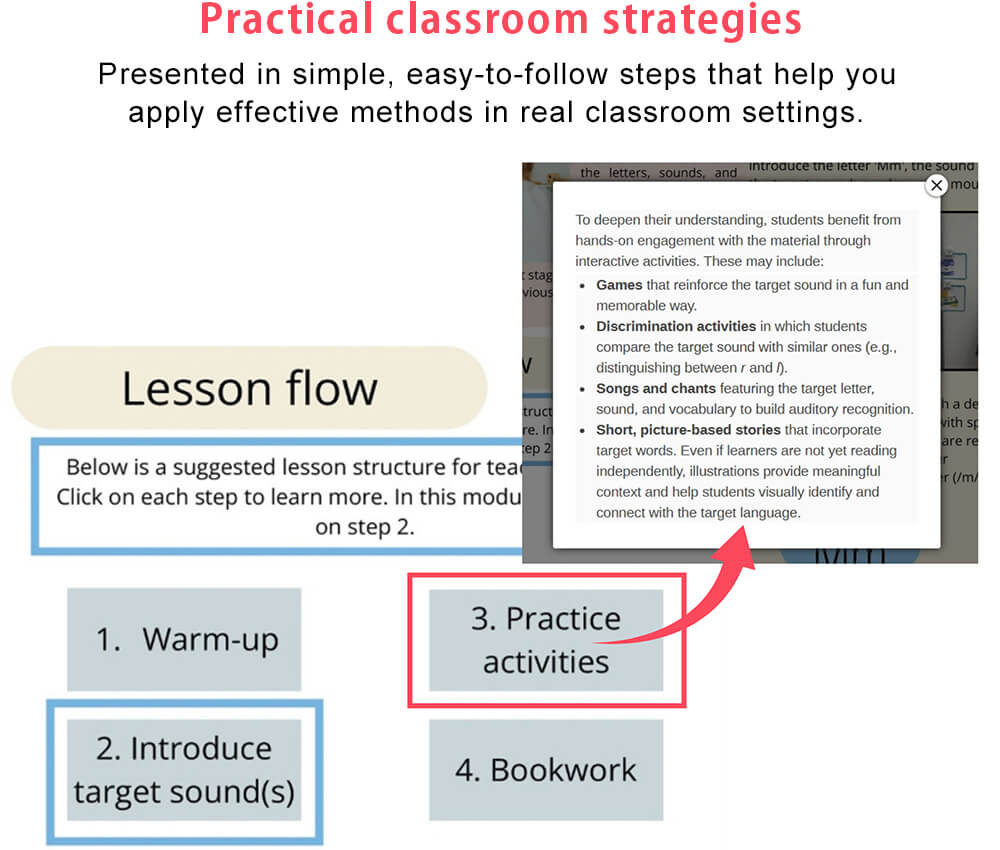
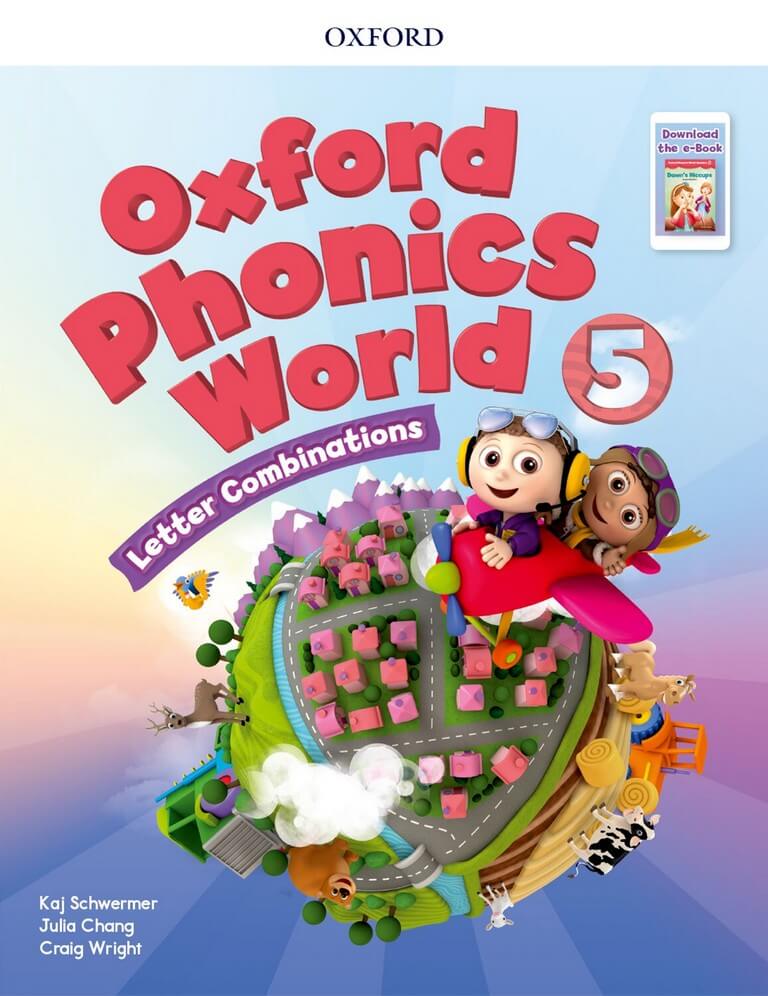
Help learners progress deepen their phonics knowledge through games, songs and chants,
and short phonics stories.
Teachers who complete at least 3 modules and submit a report can apply for a certificate from Oxford University Press Japan. Your report should include key learning points from each module, an action plan for applying them in your classes, and a summary of how the activities worked with your students. Only successful applicants will receive a certificate. To apply, download the template below and email your completed report to newsletter.Japan@oup.com. Please allow up to 2 months for assessment.